
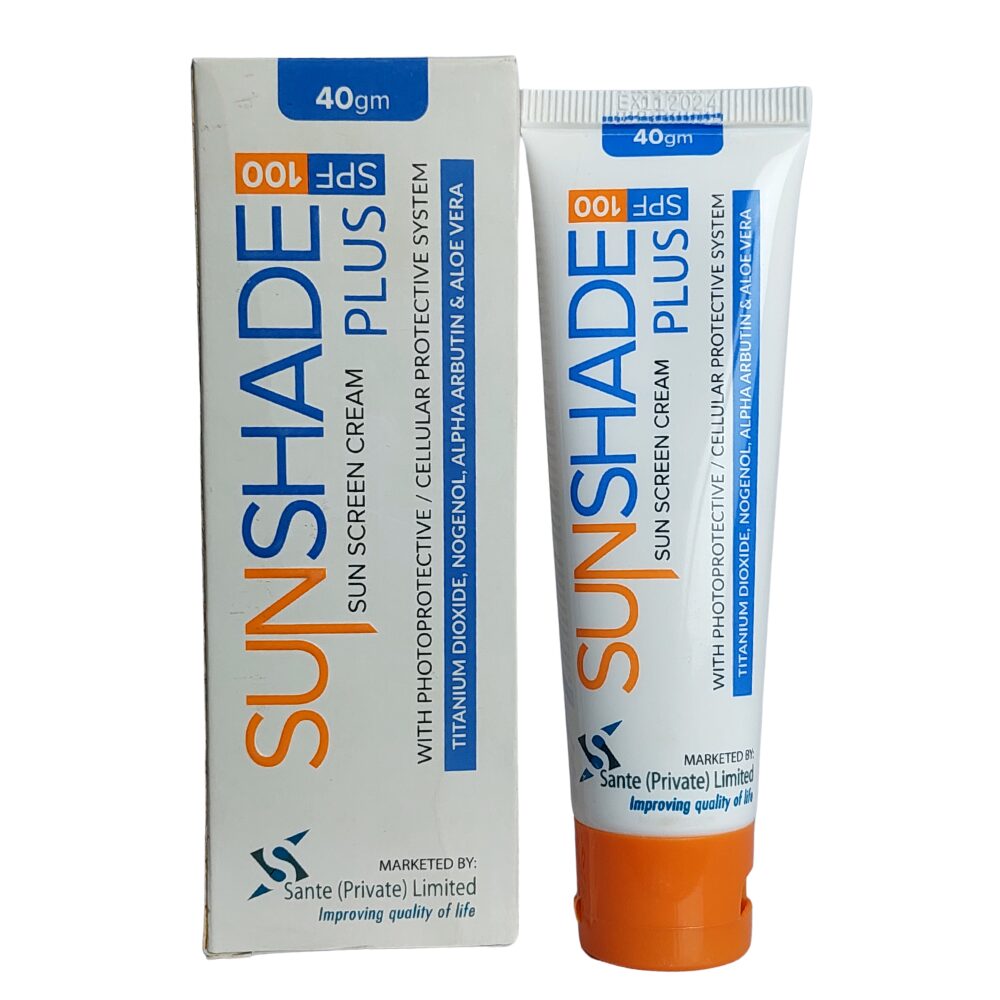
Sunscreen is a cornerstone of a comprehensive skincare routine, offering critical protection against the harmful effects of ultraviolet (UV) radiation. Despite its importance, sunscreen is often overlooked or misunderstood. This article delves into why sunscreen cream is essential, explores its numerous benefits, and outlines best practices to ensure you’re buy sunscreen online getting the most out of your sun protection efforts.
Understanding UV Radiation and its Impact
UV radiation from the sun is a major cause of skin damage and various skin conditions. There are two primary types of Uv rays that impact the skin: UVA and UVB. UVA rays penetrate the skin more deeply and are associated with aging effects such as wrinkles and loss of elasticity. UVB rays are responsible for causing sunburn and can contribute to skin cancer. Sunscreen creams are formulated to protect against both types of UV radiation, thereby reducing the risk of skin damage and maintaining healthy, youthful skin.
The benefits of Using Sunscreen Cream
The use of sunscreen cream offers several key benefits beyond just preventing sunburn. Firstly, it helps reduce the risk of skin cancer, including melanoma, which is a serious and potentially life-threatening form of skin cancer. Regular application of sunscreen can also prevent premature aging signs such as fine lines, wrinkles, and age spots by shielding the skin from UV-induced damage. Additionally, sunscreen helps maintain an even skin tone and reduces the risk of pigmentation issues caused by sun exposure. Overall, incorporating sunscreen into your daily routine supports long-term skin health and appearance.
Choosing the right Sunscreen Cream
Selecting the right sunscreen cream involves considering various factors, including skin type, sun exposure, and personal preferences. Sunscreens are categorized based on their active ingredients—physical (mineral) or chemical. Physical sunscreens, containing ingredients like zinc oxide or titanium dioxide, provide a barrier that reflects Uv rays and are ideal for sensitive skin. Chemical sunscreens, which include ingredients such as avobenzone and octocrylene, absorb Uv rays and are often lighter and less visible on the skin. Choosing a broad-spectrum sunscreen with an SPF of 30 or higher ensures adequate protection from both UVA and UVB rays.
Best practices for Application
To maximize the effectiveness of your sunscreen cream, proper application is essential. Apply sunscreen generously and evenly to all exposed skin, including commonly missed areas such as the ears, neck, and hands. For optimal protection, apply sunscreen about 15 to 30 minutes before sun exposure to allow it to fully absorb. Reapply every two hours, or more frequently if you are swimming, sweating, or towel-drying. Even on cloudy days or when indoors, Uv rays can penetrate windows, so make sunscreen a daily habit.
Incorporating Sunscreen Into Your Routine
Integrating sunscreen into your daily skincare routine is crucial for maintaining consistent protection. Start by applying sunscreen as the final step in your morning skincare regimen, before applying makeup. For added convenience, consider using a broad-spectrum sunscreen that includes moisturizing or anti-aging ingredients, which can streamline your routine while providing additional skin benefits. Additionally, don’t rely solely on sunscreen; wear protective clothing, seek shade, and avoid peak sun hours (typically from 10 a. m. to 4 p. m. ) to further minimize UV exposure.
Debunking Common Sunscreen Myths
Despite its importance, several misconceptions about sunscreen persist. One common myth is that sunscreen is only necessary on sunny days or during summer months. In reality, Uv rays can cause damage year-round and even on overcast days. Another myth is that higher SPF provides significantly better protection. While SPF 30 to 50 is generally adequate, no sunscreen offers complete protection, so reapplication and additional sun safety measures are key. Lastly, some believe that sunscreen is only for people with fair skin, but all skin types and tones can benefit from sun protection to prevent damage and maintain health.
Conclusion
Sunscreen cream is a fundamental aspect of skincare, offering essential protection against the harmful effects of UV radiation. By understanding its benefits, choosing the right formula, and following best practices for application, you can effectively safeguard your skin from damage, premature aging, and skin cancer. Make sunscreen a daily habit and combine it with other sun protection strategies to ensure comprehensive care for your skin. Embrace the power of sunscreen and enjoy the benefits of healthy, protected skin.