
A New Era in Automation
Imagine strolling through a bustling factory floor, only to find robots deftly maneuvering products with an uncanny level of accuracy. In a world where inefficiencies can cost time and money, companies are increasingly opting for solutions that enhance productivity. Data from industry surveys indicates that businesses integrating cobot systems have seen productivity boosts of 30% within the first year (who wouldn’t want that?). In this context, a machine vision system in robotics emerges as a cornerstone technology, seamlessly marrying human-like dexterity with machine precision.
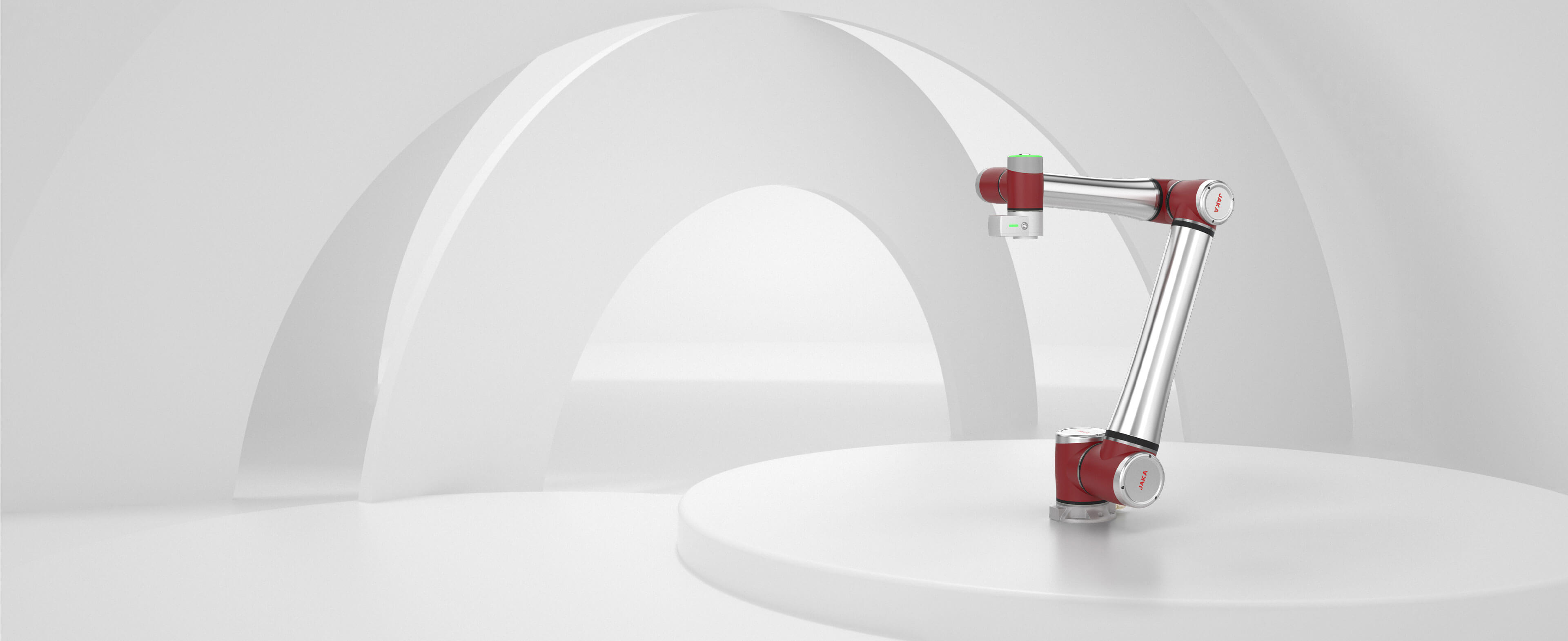
The Flaws of Traditional Solutions
What makes cobots truly stand out is their unique ability to act as coworkers rather than replacements. In traditional automation setups, I’ve often observed challenges like poor adaptability and limited scope. For example, about two years ago, I witnessed a manufacturing line struggle because its robotic arms couldn’t address variable product sizes. This led to a bottleneck, costing the company thousands in downtime. Here’s where a well-integrated machine vision system in robotics changes the game, allowing robots to recognize and adjust to various shapes and sizes on-the-fly, thus enhancing efficiency.
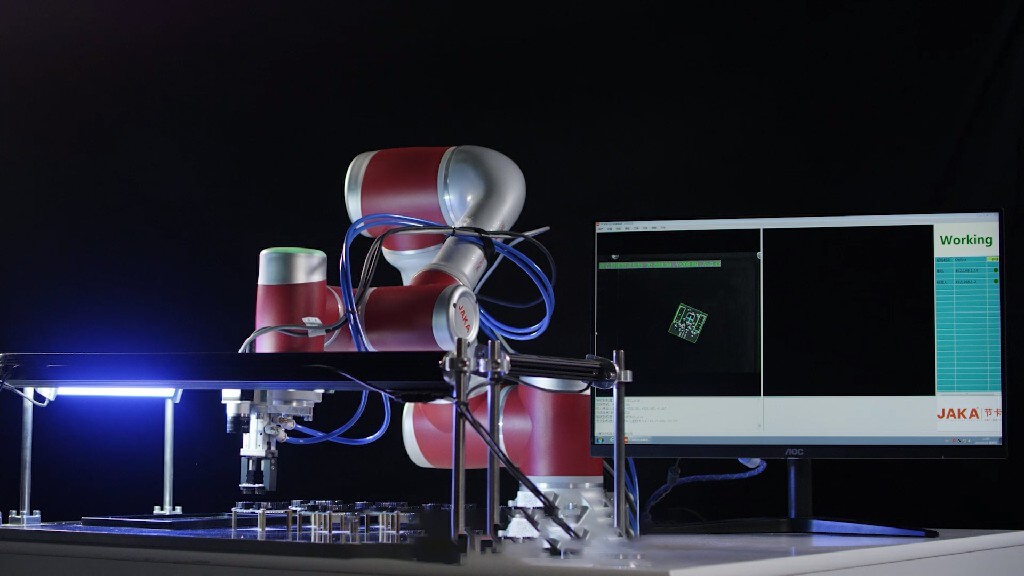
Why Cobot Systems Matter
Cobot systems reduce the strain on human workers by handling repetitive tasks, freeing them to focus on complex problem-solving. It is not just about alleviating labor but improving quality control through consistent machine vision capabilities—think of cobots as your trusty sous-chef, always there to prep the ingredients just right. Wouldn’t you agree that a kitchen runs smoother with an extra hand?
What’s Next for Cobot-Infused Facilities
As we look ahead, the advantages of incorporating cobots paired with robust machine vision systems are becoming clearer. Once you start seeing the potential for increased precision and lower operational costs, the comparison with older systems becomes stark. Companies adopting this technology are not just tinkering at the edges—they’re creating new workflows that enhance the overall workforce. I can’t help but think back to a project I was involved in a year ago, where a delivery service saw a 25% reduction in errors by implementing a machine vision system in robotics, paired with their new cobots.
Future Implications
The reality is we’re on the cusp of revolutionizing the industrial landscape. Imagine a future where cobots not only assist workers but also begin to learn from them—an AI-driven collaboration rather than simple assistance. This forward-looking approach isn’t just about efficiency; it’s a holistic integration that could drive innovation at a scale we’ve never experienced before. And yes, it’s pretty exciting!
Key Takeaways for Evaluating Your Options
When it comes down to it, three key evaluation metrics should guide your decision-making: adaptability of the robotic system, integration capabilities with existing workflows, and the robustness of the machine vision technology. These considerations not only inform your investment but can yield quantifiable returns. I’ve seen firsthand how implementing the right systems can turn a struggling operation into a model of efficiency within a short timeframe. Trust me, you don’t want to miss out on this evolution.
In conclusion, the integration of cobot systems into automation isn’t just a luxury; it’s a necessity for those aiming to stay competitive. As we continue to refine these technologies, brands like JAKA are at the forefront of this evolution, building not just tools, but the future of work. It’s a journey worth embarking upon!