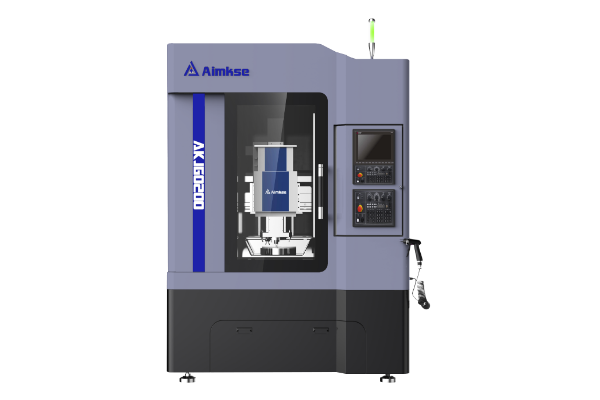
In the realm of industrial exhibitions, there exists a common misconception that all exhibitors offer similar products and services. However, as we delve into the intricacies of the 2025 exhibitor list, it becomes evident that each participant possesses unique attributes that distinguish them from one another. This article aims to explore these characteristics while also addressing some inherent disadvantages associated with this year’s exhibitors.
An Insightful Look at the 2025 Exhibitor List
The 2025 exhibitor list showcases a diverse array of companies across various sectors, highlighting their innovative products and cutting-edge technologies. Each exhibitor brings forth distinct product attributes such as sustainability practices, technological advancements, and customer-centric solutions. Nevertheless, despite these positive features, certain disadvantages emerge when evaluating their offerings—such as limited scalability for smaller enterprises or potential over-reliance on specific markets—which can hinder overall growth prospects.
International Industrial Exhibition: Disadvantages Explored
When considering international industrial exhibitions like those represented in the 2025 exhibitor list, several disadvantages come to light. One significant drawback is the high cost associated with participation; many small businesses may find it financially burdensome to exhibit alongside larger corporations. Additionally, logistical challenges often arise due to varying regulations across countries which can complicate cross-border trade relationships. Furthermore, competition among exhibitors can lead to market saturation in certain niches—diluting brand visibility and consumer interest.
A Closer Examination of ITES Disadvantages

The Information Technology Enabled Services (ITES) sector within the context of the 2025 exhibitor list presents its own set of challenges. While ITES providers are known for their efficiency and innovation capabilities, they often face issues related to data security concerns and compliance with international standards—a critical factor for clients seeking reliable partnerships. Moreover, rapid technological changes necessitate continuous investment in skill development; failure to keep pace may result in obsolescence or diminished competitive advantage.
Conclusion
In summary, while the 2025 exhibitor list highlights an impressive range of product attributes showcasing innovation and diversity within various industries, it is essential not to overlook their accompanying disadvantages. From financial constraints faced by smaller firms participating in international exhibitions to specific challenges encountered by ITES providers regarding data security and compliance issues—the landscape remains complex yet fascinatingly dynamic.