
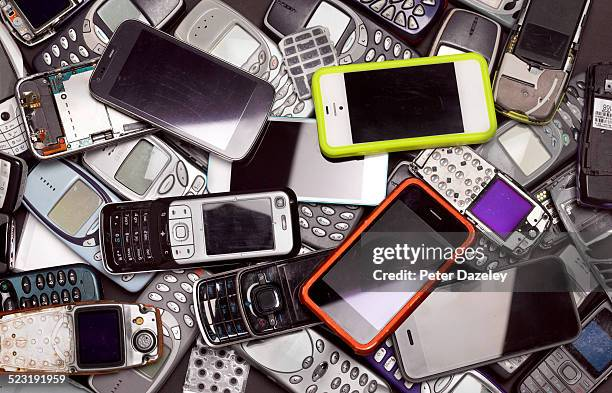
In today’s fast-paced digital world, smartphones are updated almost yearly, resulting in millions of outdated devices piling up in drawers or worse—landfills. Smartphone recycling has become a crucial practice to combat the mounting e-waste problem that threatens environmental health globally. Recycling ensures that these electronic devices, packed with metals and plastics, are disposed of responsibly. These old smartphones contain valua 回收手機 ble components like gold, silver, and rare earth elements, which, when recovered properly, reduce the need for mining new resources. Moreover, many smartphones still have functioning parts that can be reused or refurbished, extending their lifecycle and reducing the overall demand for brand-new devices.
The process of recycling smartphones is more intricate than simply throwing them in a bin. First, devices must be collected through drop-off centers, trade-in programs, or e-waste drives. Once gathered, phones are sorted by brand, condition, and potential for refurbishment. Devices in working condition may be wiped clean of data and resold or donated, while non-functional units are dismantled. Batteries are removed due to their hazardous nature, and screens, circuit boards, and casings are separated for individual processing. This careful disassembly ensures that maximum value is extracted from each unit while preventing toxic materials from contaminating the environment.
One of the significant environmental advantages of smartphone recycling is the reduction in greenhouse gas emissions. Manufacturing new electronics consumes enormous energy, particularly when extracting and refining raw materials. By reusing components and materials from recycled phones, we cut down on energy usage and carbon emissions. Additionally, recycling helps prevent hazardous substances such as lead, mercury, and cadmium from leaching into soil and groundwater. These chemicals pose serious threats to ecosystems and human health if not managed properly. Recycling is not just about reusing; it’s about creating a cleaner, safer environment for future generations.
The economic benefits of smartphone recycling also cannot be overlooked. It creates jobs in the recycling and refurbishment sectors, stimulating local economies and supporting sustainable industry practices. Furthermore, recycled materials can be sold to manufacturers at a lower cost compared to newly mined resources. Many companies now offer incentives for consumers to trade in old phones, which can be refurbished and sold at a lower price point, making technology more affordable and accessible. In the broader view, recycling helps shift the economic model from linear to circular, where products are reused and materials are continuously cycled through the economy.
Consumers play a vital role in this ecosystem. Awareness and participation in smartphone recycling programs are still relatively low despite growing infrastructure. People often keep old phones out of sentiment or uncertainty about how to recycle them safely. Encouraging more people to participate requires public education campaigns, convenient recycling options, and strong data security protocols to assure users that their personal information is protected. When consumers understand the value and safety of recycling, they are more likely to engage, fueling the cycle of sustainability.
Looking forward, the future of smartphone recycling is promising with advancements in technology and policy. Innovations in robotics are making it easier to automate the disassembly and material recovery process, increasing efficiency and lowering costs. Governments and manufacturers are also implementing stricter regulations and extended producer responsibility programs that hold companies accountable for the entire lifecycle of their products. As both technology and awareness improve, smartphone recycling can become a mainstream, normalized practice. By embracing this eco-conscious habit, individuals contribute to a sustainable future and demonstrate that smart technology and smart environmental choices can go hand in hand.