
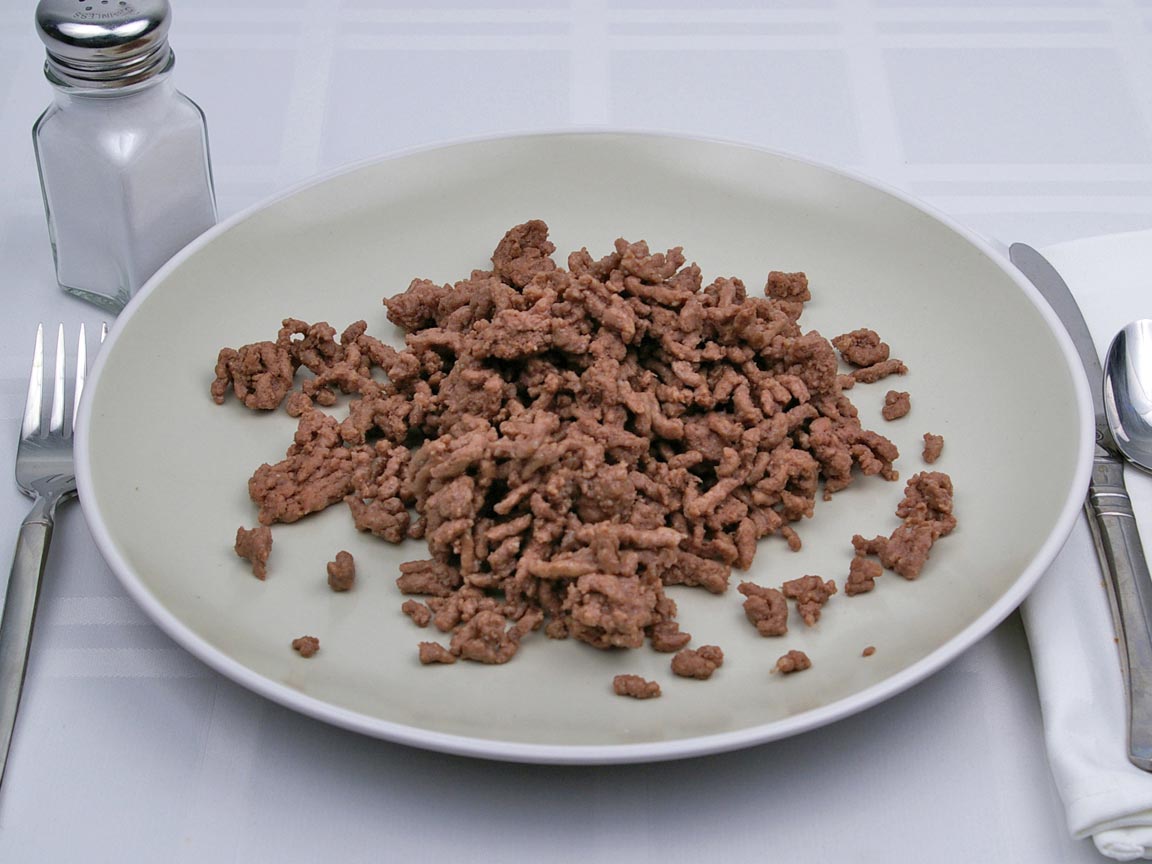
When it comes to nutrition and dietary choices, understanding the caloric content of foods is crucial. Ground beef, a staple in many diets, is not only valued for its flavor and versatility but also for its nutritional profile. Let’s delve into calories ground beef the details of ground beef and its calorie content to better understand its role in a balanced diet.
Caloric Value of Ground Beef
The caloric content of ground beef can vary based on its fat content. Typically, ground beef is categorized into different types based on its fat percentage, which affects both its flavor and calorie density:
- Lean Ground Beef (90% lean, 10% fat): This type of ground beef is lower in fat and therefore lower in calories compared to higher fat varieties. A 3-ounce (85 grams) serving of lean ground beef contains approximately 184 calories.
- Regular Ground Beef (80% lean, 20% fat): This variety contains a higher percentage of fat, resulting in a richer flavor but also higher calorie content. A 3-ounce (85 grams) serving of regular ground beef contains about 230 calories.
- Extra Lean Ground Beef (95% lean, 5% fat): This option is even lower in fat and calories than lean ground beef. A 3-ounce (85 grams) serving of extra lean ground beef typically contains around 165 calories.
The calorie count can also depend on whether the ground beef has been cooked in fat or drained after cooking. Cooking methods and added ingredients such as sauces or condiments can also impact the overall calorie content of a meal prepared with ground beef.
Nutritional Benefits of Ground Beef
Beyond calories, ground beef offers several essential nutrients:
- Protein: Ground beef is a rich source of high-quality protein, which is essential for muscle growth and repair.
- Iron: It provides heme iron, which is more easily absorbed by the body compared to non-heme iron found in plant sources. Iron is crucial for oxygen transport in the blood.
- B Vitamins: Ground beef contains B vitamins such as B12, niacin, and B6, which play vital roles in metabolism, nerve function, and red blood cell production.
- Zinc: An essential mineral for immune function, wound healing, and DNA synthesis.
Incorporating Ground Beef Into a Balanced Diet
While ground beef offers valuable nutrients, moderation is key due to its calorie and fat content, especially in higher-fat varieties. Here are some tips for incorporating ground beef into a balanced diet:
- Choose Leaner Cuts: Opt for lean or extra lean ground beef to reduce calorie and fat intake.
- Control Portions: Stick to recommended serving sizes to manage calorie intake.
- Balance with Vegetables: Incorporate vegetables and whole grains into meals with ground beef to increase fiber and nutrient content.
- Use Healthy Cooking Methods: Grill, bake, or broil ground beef to minimize added fats.
- Mindful Seasoning: Use herbs, spices, and minimal salt to enhance flavor without excess calories.
Understanding the calorie content of ground beef allows individuals to make informed choices that align with their dietary goals and nutritional needs. Whether enjoying a classic burger, a hearty chili, or a nutritious meat sauce, incorporating ground beef wisely can contribute to a delicious and balanced diet.
In conclusion, while ground beef can be a nutritious part of a diet, moderation and awareness of its calorie content are essential. By choosing leaner varieties and pairing it with nutrient-dense foods, you can savor its flavor and reap its nutritional benefits without compromising your health goals.